

Hey there! As a supplier of sleeping bags, I often get asked all sorts of questions about these essential outdoor gear. One question that pops up quite a bit is, "Do sleeping bags need to be fluffed up?" Well, let's dive right into it and find out.
First off, let's understand what fluffing up a sleeping bag actually means. When you fluff a sleeping bag, you're basically trying to restore the loft of the insulation inside. Loft refers to the thickness and the amount of air trapped within the insulation. And why is that important? Well, the more air the insulation can trap, the better it insulates you from the cold ground and the surrounding air.
Think of it like this: air is a great insulator. When you fluff up your sleeping bag, you're creating little pockets of air within the insulation material. These pockets act as barriers, preventing your body heat from escaping too quickly. Just like how a thick layer of feathers on a bird keeps it warm, the loft in a sleeping bag keeps you cozy.
Now, whether or not you need to fluff up your sleeping bag depends on a few factors. Let's start with the type of insulation. There are two main types of insulation used in sleeping bags: down and synthetic.
Down insulation comes from the soft under feathers of ducks or geese. It's known for its excellent warmth-to-weight ratio and its ability to compress really well. However, down tends to clump together when it's compressed for a long time, like when you stuff it in a stuff sack for storage or transport. That's when fluffing becomes crucial. If you don't fluff your down sleeping bag, the clumps won't trap as much air, and you'll lose some of its insulating properties. So, if you have a down sleeping bag, it's definitely a good idea to fluff it up before using it, especially if it's been packed away for a while.
On the other hand, synthetic insulation is made from man - made materials like polyester fibers. Synthetic insulation doesn't clump as easily as down. It can retain its shape and loft even after being compressed. While it's still beneficial to fluff a synthetic sleeping bag to maximize its insulation, it's not as critical as it is for down bags.
Another factor to consider is how you store your sleeping bag. If you store your sleeping bag in a stuff sack for an extended period, it's more likely to lose its loft. Stuff sacks compress the sleeping bag tightly, which can cause the insulation to flatten out. In this case, fluffing is necessary to bring back the loft. However, if you store your sleeping bag in a large, loose storage sack or hang it up, it will retain its loft better, and you may not need to fluff it as much.
Let's talk about the benefits of fluffing up your sleeping bag. First and foremost, it improves the warmth. As I mentioned earlier, a well - fluffed sleeping bag traps more air, which means it keeps you warmer. This is especially important in cold weather conditions. You don't want to shiver through the night because your sleeping bag has lost its insulating power.
Secondly, fluffing can extend the lifespan of your sleeping bag. When the insulation is evenly distributed and has good loft, it's less likely to wear out quickly. Unevenly compressed insulation can cause some parts of the bag to wear out faster than others, reducing the overall lifespan of the sleeping bag.
Now, how do you fluff up a sleeping bag? It's actually quite simple. If you have a bit of space, you can lay the sleeping bag out on a clean surface and gently beat it with your hands. This helps to separate the insulation and restore the loft. You can also shake the sleeping bag vigorously. Another option is to put the sleeping bag in a large dryer on a low - heat or no - heat setting with a couple of clean tennis balls. The tennis balls will bounce around inside the dryer and help to fluff up the insulation. Just make sure to check the care instructions for your sleeping bag before using the dryer, as some bags may not be suitable for machine drying.
At our company, we offer a wide range of sleeping bags to suit different needs. For example, if you're looking for something unique, check out our Sleeping Bag With Arms And Legs. It provides a different level of comfort and freedom of movement compared to traditional sleeping bags.
If you like to have a pillow with you while sleeping outdoors, our Sleeping Bag With Pillow Attached is a great choice. You don't have to worry about carrying an extra pillow or it getting lost during your trip.
And for those who are into backpacking, our Compact Sleeping Bag For Backpacking is designed to be lightweight and easy to pack, without sacrificing too much on warmth.

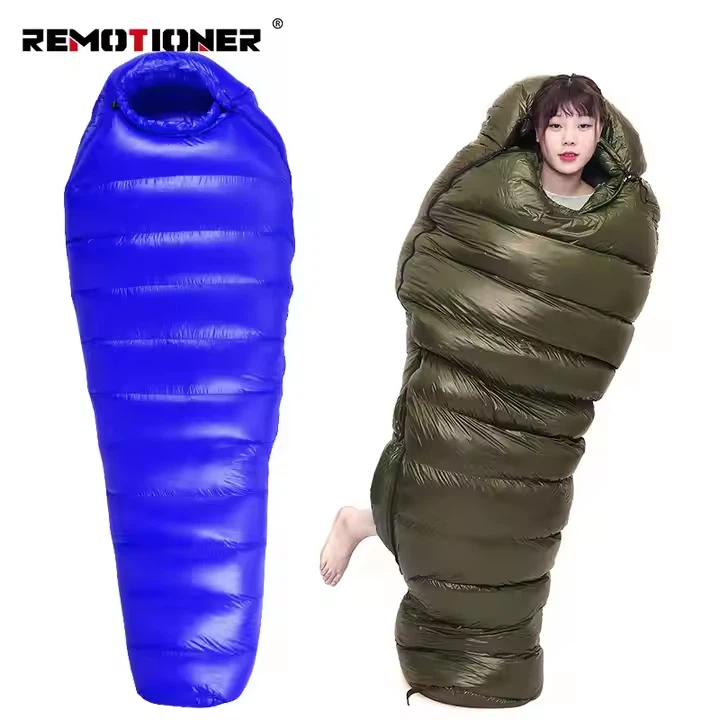
In conclusion, while it's not always absolutely necessary to fluff up your sleeping bag, it's definitely beneficial in most cases. It improves warmth, extends the lifespan of the bag, and overall enhances your sleeping experience. Whether you have a down or synthetic sleeping bag, taking a few minutes to fluff it up can make a big difference.
If you're in the market for a new sleeping bag or have any questions about our products, we'd love to hear from you. Feel free to reach out to us for a chat about your specific needs and how we can help you find the perfect sleeping bag for your next adventure.
References
- Outdoor Gear Lab: Insulation and Warmth Testing of Sleeping Bags
- REI Co - op: How to Care for Your Sleeping Bag