

Hey there, soccer enthusiasts! As a soccer ball supplier, I've spent a ton of time thinking about how our beloved soccer balls interact with different playing surfaces. Today, I'm gonna dive deep into the world of artificial turf and explore how it affects the way a soccer ball behaves on the field.
The Basics of Artificial Turf
First off, let's talk a bit about artificial turf. It's come a long way since its early days. Modern artificial turf is designed to mimic the look and feel of natural grass as closely as possible. It's made up of synthetic fibers that are tufted into a backing material and then filled with infill, usually made of rubber or sand.
The type of infill used can have a big impact on how the turf plays. Rubber infill, for example, provides a more forgiving surface and can help reduce the risk of injuries. Sand infill, on the other hand, can make the turf firmer and more stable. The length and density of the synthetic fibers also play a role in determining the turf's characteristics. Longer fibers tend to provide a softer surface, while shorter fibers can make the turf faster.
How a Soccer Ball Bounces on Artificial Turf
One of the most noticeable differences between playing on artificial turf and natural grass is the way the ball bounces. On artificial turf, the ball tends to bounce higher and faster than on natural grass. This is because the surface of the turf is firmer and more consistent, which allows the ball to retain more of its energy when it hits the ground.
The type of infill used in the turf can also affect the ball's bounce. Rubber infill tends to absorb more of the ball's energy, which can result in a lower bounce. Sand infill, on the other hand, provides a more solid surface, which can make the ball bounce higher.
As a soccer ball supplier, we take these factors into account when designing our balls. We want to make sure that our balls perform well on all types of surfaces, including artificial turf. That's why we use high-quality materials and advanced manufacturing techniques to ensure that our balls have the right balance of weight, bounce, and durability.
The Roll of a Soccer Ball on Artificial Turf
Another important factor to consider is how the ball rolls on artificial turf. On natural grass, the ball can sometimes get caught in the grass blades, which can cause it to slow down or change direction. On artificial turf, however, the surface is much smoother, which allows the ball to roll more freely.
The type of infill used in the turf can also affect the ball's roll. Rubber infill can provide a bit of cushioning, which can make the ball roll more smoothly. Sand infill, on the other hand, can make the surface a bit more abrasive, which can cause the ball to slow down slightly.
At our company, we test our balls on different types of artificial turf to make sure that they roll evenly and predictably. We also pay attention to the ball's surface texture, as this can affect how it interacts with the turf. A ball with a smooth surface tends to roll better on artificial turf than a ball with a rough surface.
The Impact of Temperature on the Interaction
Temperature can also have a significant impact on how a soccer ball interacts with artificial turf. In hot weather, the turf can become quite warm, which can cause the ball to bounce higher and roll faster. This is because the heat can make the synthetic fibers more flexible, which allows the ball to deform more easily when it hits the ground.
In cold weather, on the other hand, the turf can become stiff and hard, which can cause the ball to bounce lower and roll more slowly. The cold can also make the ball itself more rigid, which can affect its performance.
As a supplier, we recommend that players adjust their playing style depending on the temperature. In hot weather, for example, players may need to be more careful when passing and shooting, as the ball may move faster than they expect. In cold weather, players may need to use more force when kicking the ball to get it to travel the same distance.
Choosing the Right Soccer Ball for Artificial Turf
When it comes to choosing a soccer ball for artificial turf, there are a few things to keep in mind. First of all, you want to choose a ball that is designed for the type of turf you'll be playing on. Some balls are specifically designed for use on artificial turf, while others are more versatile and can be used on both natural grass and artificial turf.
You also want to consider the size and weight of the ball. For adult players, the standard size 5 ball is usually the best choice. However, if you're playing on a smaller field or with younger players, you may want to consider using a smaller ball.
In addition, you want to choose a ball that is made from high-quality materials. A ball that is made from cheap materials may not perform well on artificial turf and may also wear out quickly. Look for a ball that is made from durable synthetic materials, such as polyurethane (PU).
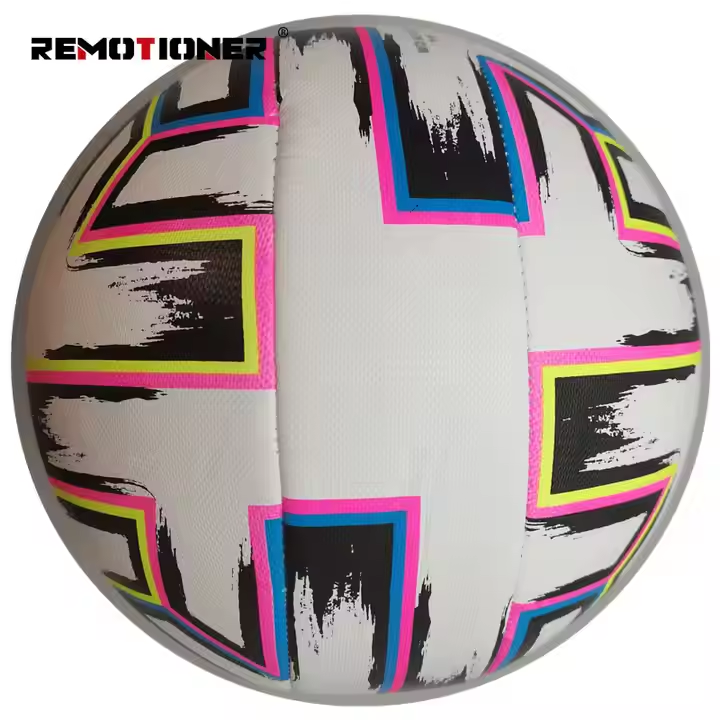
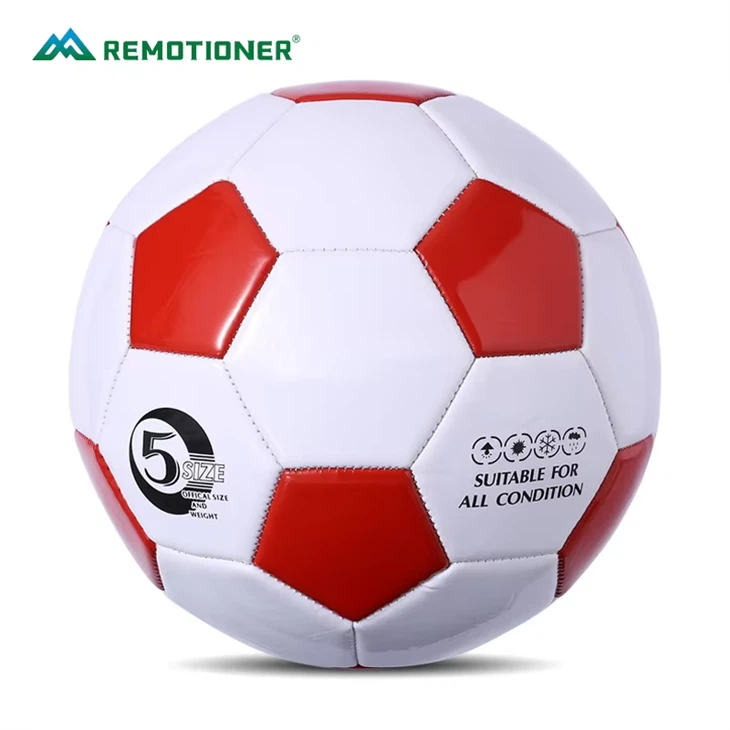
We offer a wide range of soccer balls that are suitable for use on artificial turf. Our Official Match Ball Size 5 is a popular choice among professional players and teams. It's made from high-quality PU material and is designed to perform well on all types of surfaces, including artificial turf. We also have our High Quality PU Seamless Football, which offers excellent durability and a consistent bounce. And for those looking for a men's specific option, our Mens Size 5 Football is a great choice.
Conclusion
In conclusion, the interaction between a soccer ball and artificial turf is a complex one that is influenced by a variety of factors, including the type of turf, the infill used, the temperature, and the design of the ball itself. As a soccer ball supplier, we're constantly working to develop and improve our products to ensure that they perform well on all types of surfaces, including artificial turf.
If you're in the market for a new soccer ball for use on artificial turf, I encourage you to check out our range of products. We're confident that you'll find a ball that meets your needs and helps you take your game to the next level. Whether you're a professional player, a weekend warrior, or a coach looking for the best balls for your team, we've got you covered.
If you have any questions or would like to discuss your specific requirements, feel free to reach out. We're always happy to help you find the perfect soccer ball for your needs and are open to further discussions for potential bulk purchases or special orders. Let's work together to make your soccer experience even better!
References
- Fédération Internationale de Football Association (FIFA). (n.d.). Laws of the Game.
- Sports Turf Research Institute (STRI). (n.d.). Artificial Turf for Football.
- Various industry research reports on soccer ball performance and artificial turf characteristics.