

When it comes to camping, one of the most crucial pieces of equipment is a high - quality sleeping bag. A good sleeping bag can make the difference between a restful night under the stars and a cold, uncomfortable one. As a sleeping bag supplier, I've had the opportunity to explore a wide range of sleeping bags and understand the needs of campers. In this blog, I'll share insights on what makes the best sleeping bag for camping.
Factors to Consider When Choosing a Sleeping Bag
Temperature Rating
The temperature rating is perhaps the most important factor when selecting a sleeping bag. It indicates the lowest temperature at which the bag can keep a person warm. There are generally three types of temperature ratings: comfort rating, limit rating, and extreme rating. The comfort rating is the temperature at which a woman (since women typically feel colder than men) can sleep comfortably. The limit rating is the lowest temperature a man can tolerate in the bag, and the extreme rating is the absolute minimum temperature the bag can handle before hypothermia becomes a risk.
For example, if you're camping in the summer in a temperate climate, a sleeping bag with a comfort rating of around 50 - 60°F (10 - 15°C) should suffice. However, if you're planning a winter camping trip in the mountains, you'll need a bag with a much lower temperature rating, perhaps down to 0°F (-18°C) or even lower.
Insulation Type
There are two main types of insulation used in sleeping bags: synthetic and down.
Synthetic Insulation: Synthetic insulation is made from man - made materials such as polyester fibers. It has several advantages. First, it retains its insulating properties even when wet, which is a significant benefit in damp or rainy conditions. Second, it's generally more affordable than down insulation. Synthetic sleeping bags are also easier to clean and dry. However, they are often bulkier and heavier than down bags and may not be as warm for their weight.
Down Insulation: Down insulation comes from the soft under - feathers of ducks or geese. It is extremely lightweight and compressible, making it ideal for backpacking where weight and space are at a premium. Down also has excellent warmth - to - weight ratio, meaning it can keep you very warm without adding much bulk. However, down loses its insulating properties when wet and can be more difficult to dry. It is also more expensive than synthetic insulation. You can check out our Down Bag for high - quality down - insulated options.

Shape
Sleeping bags come in different shapes, each with its own advantages.
Mummy Shape: The mummy shape is the most common for cold - weather sleeping bags. It is narrow at the feet and wider at the shoulders, conforming closely to the body's shape. This design minimizes the amount of air space inside the bag, which helps to retain body heat. However, the mummy shape can be restrictive for some people, especially those who like to move around a lot in their sleep.
Rectangular Shape: Rectangular sleeping bags offer more room to move around. They are a good choice for car camping or for those who don't like to feel confined. However, they are less efficient at retaining heat because of the larger air space inside.
Semi - rectangular Shape: This is a compromise between the mummy and rectangular shapes. It offers more room than a mummy bag but is still more efficient at retaining heat than a fully rectangular bag.
Size
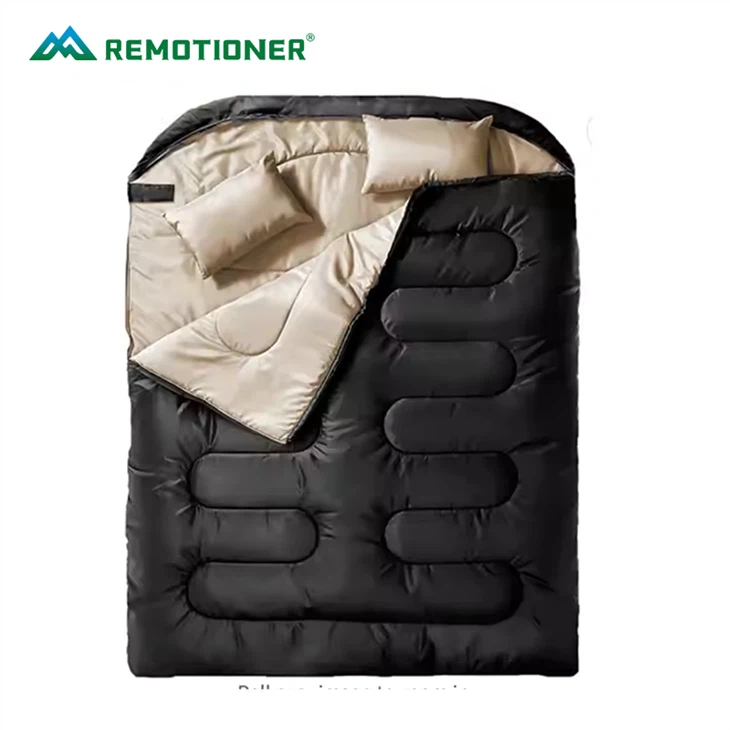
The size of the sleeping bag is also important. A bag that is too small will be uncomfortable and may not allow you to move freely. On the other hand, a bag that is too large will have extra air space, which can make it harder to stay warm. Make sure to choose a bag that is the right length and width for your body size. If you're a tall person, look for a long - length sleeping bag. And if you're a couple camping together, you might consider our Sleeping Bag For Two.
Weight and Compressibility
If you're backpacking, weight and compressibility are crucial factors. You want a sleeping bag that is lightweight and can be compressed into a small size to fit in your backpack. Down bags are generally the best in terms of weight and compressibility, but as mentioned earlier, they have their drawbacks. Synthetic bags are usually heavier and bulkier but can still be a good option if you're not too concerned about weight.
Specific Types of Sleeping Bags for Different Camping Situations
Summer Camping
For summer camping, a lightweight and breathable sleeping bag is ideal. Cotton is a great material for summer sleeping bags. It is natural, breathable, and comfortable. Our Cotton Camping Sleeping Bag is a perfect choice for summer camping trips. It has a relatively high temperature rating, usually around 60 - 70°F (15 - 21°C), and provides a soft and cozy sleeping environment.
Winter Camping
Winter camping requires a sleeping bag with a very low temperature rating. As mentioned earlier, down bags are often the best choice for winter camping because of their excellent warmth - to - weight ratio. Look for a bag with a high - fill power down (the higher the fill power, the better the insulation). A bag with a temperature rating of 0°F (-18°C) or lower is recommended for cold winter nights.
Backpacking
Backpackers need a sleeping bag that is lightweight and compressible. Down bags are the top choice for backpacking, but if you're on a budget or worried about getting the bag wet, a high - quality synthetic bag can also work. Make sure to choose a bag that is not too bulky so that it can fit easily into your backpack.
Car Camping
Car camping gives you more flexibility in terms of weight and size. You can choose a larger and heavier sleeping bag if you want. Rectangular or semi - rectangular bags are popular for car camping because they offer more room to move around. You can also consider a double sleeping bag if you're camping with a partner.
Maintenance and Care of Sleeping Bags
Proper maintenance and care of your sleeping bag can extend its lifespan and ensure it performs well for many years.
- Cleaning: Follow the manufacturer's instructions for cleaning your sleeping bag. Synthetic bags are generally easier to clean and can often be machine - washed on a gentle cycle. Down bags require more care and may need to be taken to a professional cleaner.
- Storage: When not in use, store your sleeping bag in a large, breathable storage sack rather than compressing it for long periods. This helps to maintain the loft of the insulation.
Conclusion
Choosing the best sleeping bag for camping depends on a variety of factors, including temperature rating, insulation type, shape, size, weight, and compressibility. By considering your specific camping needs and the conditions you'll be facing, you can select a sleeping bag that will keep you warm, comfortable, and well - rested during your outdoor adventures.
As a sleeping bag supplier, we are committed to providing high - quality sleeping bags that meet the diverse needs of campers. Whether you're a seasoned backpacker or a casual car camper, we have the perfect sleeping bag for you. If you're interested in purchasing our sleeping bags or have any questions about our products, please feel free to contact us for procurement and negotiation. We look forward to helping you find the ideal sleeping bag for your next camping trip.
References
- "The Complete Guide to Sleeping Bags" by REI Co - op
- "Camping Gear 101: Sleeping Bags" by Backpacker Magazine