

Sleeping bags are essential gear for outdoor enthusiasts, campers, and adventurers. They provide warmth, comfort, and protection during sleep in various environments. As a leading sleeping bag supplier, we understand the importance of using high-quality materials to ensure the best performance and durability of our products. In this blog post, we will explore the different materials used to make sleeping bags and their unique properties.

Outer Shell Materials
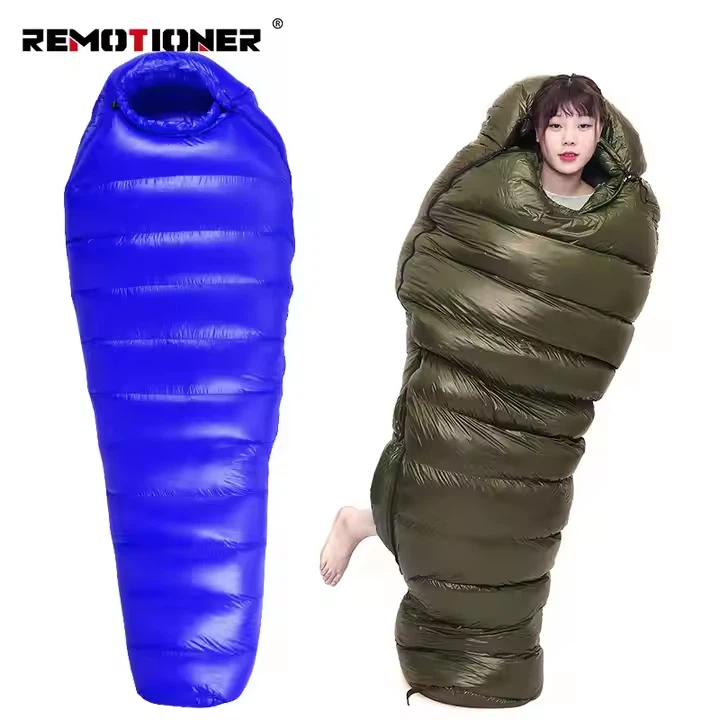
The outer shell of a sleeping bag is the first line of defense against the elements. It protects the insulation from moisture, dirt, and abrasion. The choice of outer shell material depends on the intended use of the sleeping bag and the environmental conditions it will be exposed to.
Nylon
Nylon is one of the most common materials used for sleeping bag outer shells. It is lightweight, durable, and resistant to abrasion. Nylon outer shells are often treated with a durable water repellent (DWR) finish to make them water-resistant. This helps to keep the insulation dry and maintain its loft, which is important for retaining warmth. Nylon is also breathable, allowing moisture to escape from the inside of the sleeping bag, which helps to prevent condensation and keep the user dry and comfortable.
Polyester
Polyester is another popular choice for sleeping bag outer shells. It is similar to nylon in terms of durability and water resistance, but it is generally less expensive. Polyester outer shells are also often treated with a DWR finish to enhance their water-repellent properties. One advantage of polyester is that it is more resistant to UV rays than nylon, which makes it a good choice for sleeping bags that will be used in sunny environments.
Canvas
Canvas is a heavy-duty material that is often used for sleeping bags designed for extreme conditions. It is highly durable and resistant to abrasion, making it suitable for use in rough terrain. Canvas outer shells are also water-resistant, but they are not as breathable as nylon or polyester. This means that they may trap moisture inside the sleeping bag, which can lead to condensation and discomfort. However, canvas sleeping bags are often lined with a breathable material to help mitigate this issue.
Insulation Materials
The insulation of a sleeping bag is responsible for providing warmth by trapping air and preventing heat loss. There are several different types of insulation materials used in sleeping bags, each with its own unique properties and performance characteristics.
Down
Down is one of the most popular insulation materials for sleeping bags. It is made from the soft, fluffy feathers found under the outer feathers of ducks and geese. Down has excellent insulating properties, which means that it can provide a high level of warmth with a relatively low weight. Down is also very compressible, which makes it easy to pack and carry. However, down has one major drawback: it loses its insulating properties when it gets wet. This means that down sleeping bags are not suitable for use in wet or humid environments unless they are treated with a water-repellent finish. If you are interested in a high-quality down sleeping bag, you can check out our Down Bag.
Synthetic Insulation
Synthetic insulation is a popular alternative to down, especially for use in wet or humid environments. It is made from man-made fibers, such as polyester, that are designed to mimic the insulating properties of down. Synthetic insulation has several advantages over down. It is less expensive, more water-resistant, and easier to clean. Synthetic insulation also retains its insulating properties even when it gets wet, which makes it a good choice for use in wet or humid conditions. However, synthetic insulation is generally less compressible and less warm per ounce than down.
Wool
Wool is a natural insulation material that has been used for centuries. It is made from the hair of sheep or other animals and has excellent insulating properties. Wool is also very breathable, which means that it can help to prevent condensation and keep the user dry and comfortable. Wool is naturally fire-resistant and has antibacterial properties, which makes it a good choice for sleeping bags. However, wool is heavier and bulkier than down or synthetic insulation, which can make it less convenient to pack and carry.
Liner Materials
The liner of a sleeping bag is the layer that comes into contact with the user's skin. It provides additional comfort and can help to wick away moisture. The choice of liner material depends on personal preference and the intended use of the sleeping bag.
Cotton
Cotton is a popular liner material because it is soft, breathable, and comfortable. It is also hypoallergenic, which makes it a good choice for people with sensitive skin. However, cotton is not very absorbent, which means that it may not be the best choice for use in wet or humid environments.
Polyester
Polyester is a synthetic liner material that is often used in sleeping bags. It is lightweight, durable, and moisture-wicking, which means that it can help to keep the user dry and comfortable. Polyester is also easy to clean and maintain. However, some people may find that polyester liners are not as soft or comfortable as cotton liners.
Silk
Silk is a luxurious liner material that is known for its softness and smoothness. It is also very breathable and moisture-wicking, which means that it can help to keep the user dry and comfortable. Silk is naturally hypoallergenic and has antibacterial properties, which makes it a good choice for sleeping bags. However, silk is more expensive than cotton or polyester and may require special care when cleaning.
Other Materials
In addition to the outer shell, insulation, and liner materials, there are several other materials that are used in the construction of sleeping bags. These include zippers, drawstrings, and fasteners.
Zippers
Zippers are an important component of a sleeping bag. They allow the user to open and close the sleeping bag easily and provide ventilation when needed. High-quality zippers are durable and smooth-running, which makes them easy to use. Some sleeping bags also feature double zippers, which allow the user to open the sleeping bag from both the top and the bottom.
Drawstrings and Fasteners
Drawstrings and fasteners are used to adjust the fit of the sleeping bag and to keep it closed. They are typically made from nylon or polyester and are designed to be strong and durable. Some sleeping bags also feature elasticized cuffs or hoods to help keep the heat in and the cold out.
Conclusion
As a sleeping bag supplier, we understand the importance of using high-quality materials to ensure the best performance and durability of our products. The choice of materials depends on the intended use of the sleeping bag, the environmental conditions it will be exposed to, and personal preference. Whether you are looking for a lightweight and compressible down sleeping bag for backpacking or a heavy-duty canvas sleeping bag for extreme conditions, we have a wide range of options to choose from.
If you are interested in purchasing a sleeping bag, we invite you to explore our product range. We offer a variety of sleeping bags, including the Army Winter Sleeping Bag and the Sleeping Bag With Arms And Legs. Our team of experts is always available to help you choose the right sleeping bag for your needs. Contact us today to start the procurement process and discuss your requirements.
References
- Outdoor Gear Lab. (n.d.). Sleeping Bag Insulation. Retrieved from https://www.outdoorgearlab.com/topics/sleeping-gear/sleeping-bag-insulation
- REI. (n.d.). Sleeping Bag Materials. Retrieved from https://www.rei.com/learn/expert-advice/sleeping-bag-materials.html
- The Adventure Junkies. (n.d.). Sleeping Bag Materials: A Comprehensive Guide. Retrieved from https://theadventurejunkies.com/sleeping-bag-materials/