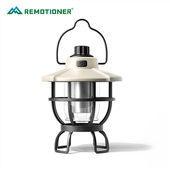
Darkness is terrifying and does not borrow even light.
When engaging in outdoor activities, it's inevitable to walk at night. In case of special circumstances where you get lost, light can be your last hope. Common outdoor light sources generally include: flashlights, headlamps, candles, matches, gas lamps, tent lamps, glow sticks, etc. All of these are consumables and are generally not lent out.
When going outdoors, it is usually necessary to bring your own items. The power supply is one of them. It is only for personal use and cannot be purchased in the wild. If you want to borrow someone else's power supply, it is unlikely.
When every traveler goes on a trip, it is essential to bring their own professional light source (flashlight, headlamp, battery), and make sure the switch is secure to prevent it from being accidentally opened in the bag and consuming energy prematurely. Even if there is no plan for a night walk, a flashlight should still be prepared.
Because darkness means danger, while light can bring you safety.

Light Source Management Strategy
1.Redundant design
Main light source (such as headlamp) + backup (mini flashlight/glow stick) + emergency (windproof match/magnesium stick)
The battery power should be prepared at three times the estimated time. In extremely cold environments, it needs to be stored under insulation.
2. Anti-accidental touch techniques
Wear the headlamp upside down (with the lens facing inside the bag), and loosen the tail cover with the flashlight to cut off the power
Use models with physical lock switches
3. Contingency plan for Extreme Situations
When all light sources are lost: Use the backlight of the mobile phone screen to mark the path (the power-saving mode can last for several hours)
When the moonlight is abundant, white clothes are spread on the ground as road signs to reflect light
Resin lenses can gather sunlight to make a fire (practice is required in advance)