

As a supplier of high - quality sleeping bags, I often get asked various questions about the proper use of our products. One question that comes up quite frequently is, "Can I use a sleeping bag in a boat?" In this blog post, I'll explore this topic in detail, considering different aspects such as the type of boat, the environment, and the type of sleeping bag.
Types of Boats and Their Suitability for Using Sleeping Bags
Small Fishing Boats
Small fishing boats are usually open - air vessels. They are often used for short - term fishing trips during the day, but some anglers might choose to stay out overnight. Using a sleeping bag in a small fishing boat can be challenging. The limited space means that you need a compact sleeping bag. A mummy - shaped sleeping bag is a great option as it takes up less space and provides a snug fit, keeping you warm. However, since these boats are exposed to the elements, you need to ensure that the sleeping bag is waterproof or at least water - resistant. If there is a sudden rain shower or waves splash into the boat, a non - waterproof sleeping bag will get wet, and you'll be left cold and uncomfortable.
Sailboats
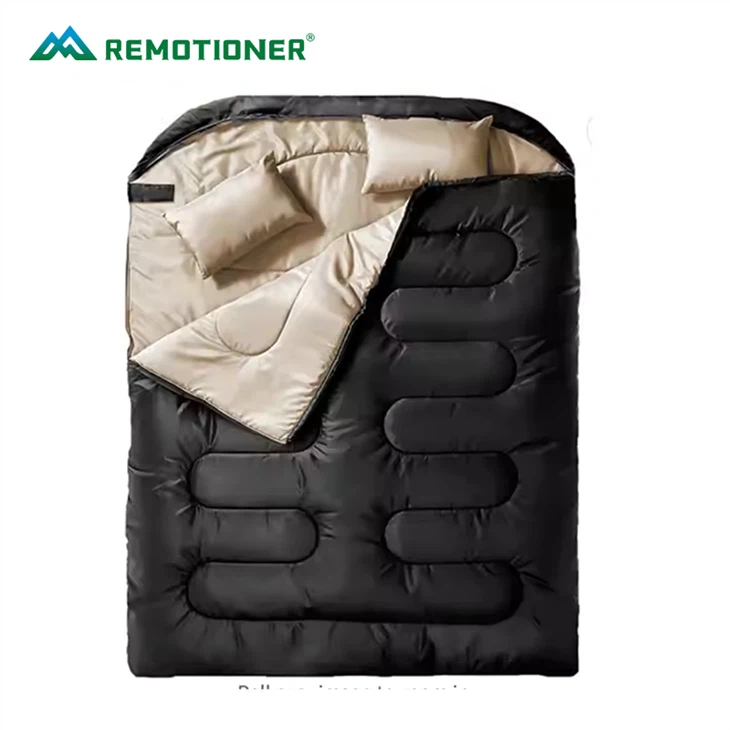
Sailboats come in different sizes. Smaller sailboats may have a small cabin where you can sleep. In this case, a regular - sized sleeping bag can be used. The cabin provides some protection from the wind and rain, but you still need to be cautious about moisture. Condensation can build up inside the cabin, especially in humid conditions. A sleeping bag with good moisture - wicking properties is essential. For larger sailboats with more spacious cabins, you have more options. You can even consider using 2 Person Cotton Sleeping Bags if you are traveling with a partner. These sleeping bags offer the comfort of sharing body heat and a more spacious sleeping area.
Houseboats
Houseboats are like floating homes. They have proper cabins, beds, and often a more stable environment compared to other boats. You can use almost any type of sleeping bag in a houseboat. Whether it's a Sleeping Bag For Two for a romantic getaway or a Cotton Camping Sleeping Bag for a family trip, you have the luxury of choice. The main consideration here is the temperature control. Houseboats can get hot during the day and cold at night, so a sleeping bag with adjustable insulation is a good idea.
Environmental Factors
Temperature
The temperature is a crucial factor when using a sleeping bag in a boat. Water has a high heat capacity, which means that the temperature around a boat can be quite different from that on land. At night, the water can radiate heat, making the air around the boat cooler. You need to choose a sleeping bag with the appropriate temperature rating. For cold - water environments, a sleeping bag with a low temperature rating, such as a down - filled sleeping bag, is recommended. Down is an excellent insulator, but it loses its insulating properties when wet. So, if there is a risk of getting wet, you might want to consider a synthetic - filled sleeping bag, which retains its warmth even when damp.
Humidity
Humidity can also affect your comfort when using a sleeping bag in a boat. High humidity can make you feel sticky and uncomfortable inside the sleeping bag. As mentioned earlier, condensation can be a problem, especially in enclosed spaces like boat cabins. A sleeping bag with a breathable outer layer can help to reduce the build - up of moisture and keep you dry. Some sleeping bags are designed with ventilation systems, which allow air to circulate and prevent the accumulation of sweat and humidity.
Wind
Wind can make the temperature feel much colder than it actually is. If you are sleeping in an open - air boat, the wind can cut through your sleeping bag and make you shiver. A sleeping bag with a wind - resistant outer shell is essential. Some sleeping bags come with a hood that can be tightened around your face to protect you from the wind. Additionally, you can use a bivy sack over the sleeping bag for extra protection.
Types of Sleeping Bags for Boats
Down Sleeping Bags
Down sleeping bags are known for their excellent warmth - to - weight ratio. They are very lightweight and compressible, making them easy to carry on a boat. However, as mentioned before, down loses its insulating properties when wet. So, if you are using a down sleeping bag in a boat, you need to take extra precautions to keep it dry. You can use a waterproof stuff sack to store the sleeping bag when not in use and make sure to keep it away from any sources of water inside the boat.
Synthetic Sleeping Bags
Synthetic sleeping bags are a great alternative to down. They are more affordable and are not affected by moisture as much as down. Even if they get wet, they still retain some of their insulating properties. Synthetic sleeping bags are also easier to clean. They are a good choice for boaters who are likely to encounter wet conditions or who don't want to deal with the hassle of keeping a down sleeping bag dry.
Cotton Sleeping Bags
Cotton sleeping bags are soft and comfortable, but they are not the best choice for boat use. Cotton absorbs water easily and takes a long time to dry. If it gets wet, it will become heavy and lose its insulating properties. However, if you are using a cotton sleeping bag in a well - protected houseboat cabin where the risk of getting wet is low, it can provide a cozy and comfortable sleeping experience.

Maintenance and Care of Sleeping Bags on Boats
Cleaning
Regular cleaning of your sleeping bag is important to maintain its performance. On a boat, it's easy for dirt, salt, and other debris to get into the sleeping bag. Follow the manufacturer's instructions for cleaning. Most synthetic sleeping bags can be machine - washed on a gentle cycle, while down sleeping bags may require professional cleaning.
Drying
Proper drying is crucial, especially if the sleeping bag has gotten wet. Hang the sleeping bag in a well - ventilated area to dry. Avoid direct sunlight, as it can damage the fabric and the insulation. If you are on a boat, you can use a fan to speed up the drying process.
Storage
When not in use, store the sleeping bag in a dry place. Compress it as little as possible to prevent damage to the insulation. If you have a waterproof stuff sack, use it to protect the sleeping bag from moisture and dust.
Conclusion
In conclusion, you can definitely use a sleeping bag in a boat, but you need to choose the right type of sleeping bag based on the type of boat, the environmental conditions, and your personal preferences. Whether you are in a small fishing boat, a sailboat, or a houseboat, there is a sleeping bag that can meet your needs. As a sleeping bag supplier, we offer a wide range of high - quality sleeping bags suitable for all types of boating adventures.
If you are interested in purchasing sleeping bags for your next boating trip or have any questions about our products, we encourage you to reach out to us for a procurement discussion. We are here to help you find the perfect sleeping bag for your needs.
References
- Outdoor Gear Lab. (2023). Sleeping Bag Reviews.
- REI Co - op. (2023). Guide to Choosing a Sleeping Bag.
- The Adventure Junkies. (2023). Best Sleeping Bags for Boating.