

Hey there, fellow outdoor enthusiasts! I'm excited to share some insights on how a sleeping pad works with a sleeping bag. As a supplier of top - notch sleeping bags, I've seen firsthand the magic that happens when these two essential pieces of outdoor gear team up.
Let's start by understanding what a sleeping pad and a sleeping bag are all about. A sleeping bag is your cozy little haven in the great outdoors. It comes in various types, like the Bivvy Bag Army, Lightweight Down Sleeping Bag, Army Winter Sleeping Bag, and 2 Person Cotton Sleeping Bags. Each type is designed to keep you warm and comfortable based on different weather conditions and personal preferences.
On the other hand, a sleeping pad is more than just a cushioned surface to lie on. It plays a crucial role in enhancing the performance of your sleeping bag. Picture this: you're out camping on a cold night. The ground is cold and hard. Without a sleeping pad, your body heat will quickly transfer to the ground. Why? Because the ground is a great conductor of heat, and it'll suck the warm right out of you.
Now, when you place a sleeping pad under your sleeping bag, it acts as a barrier. It's like a shield between you and the cold ground. There are different kinds of sleeping pads, but they mainly work in similar ways. Insulated sleeping pads, for example, have a layer of insulation that reduces the heat transfer from your body to the ground. This simple addition can make a huge difference in how warm you feel throughout the night.
Let's talk about how a sleeping pad and a sleeping bag complement each other. Your sleeping bag is designed to trap the warm air that your body generates. The insulation in the bag, whether it's down, synthetic fill, or other materials, creates pockets of air that hold the heat close to your body. But if all that warmth is seeping out through the bottom because of the cold ground, your sleeping bag's effectiveness is severely limited.
When you pair it with a proper sleeping pad, the pad stops that heat loss from the bottom. So, the sleeping bag can do its job even better. It's like a tag - team. The sleeping bag keeps the heat in from the top, sides, and head area, and the sleeping pad takes care of the bottom.
Take the Double Sleeping Pad Ultralight for example. It's not only lightweight, which is great for backpackers who want to minimize weight, but it also provides excellent insulation. When you use it with one of our sleeping bags, it creates a double - layer of warmth and comfort.
If you're using a Lightweight Down Sleeping Bag, the ultra - light and compressible nature of the down fill in the bag combines perfectly with the lightweight and compact design of the Double Sleeping Pad Ultralight. You can easily carry them both in your backpack on a long - distance hike.
For colder weather, our Army Winter Sleeping Bag is a beast. It's filled with high - quality insulation to keep you warm in freezing temperatures. However, to really maximize its performance, you need a good sleeping pad. A thick, well - insulated pad will prevent the cold ground from zapping the heat that the sleeping bag is trying to retain.
When it comes to choosing the right combination of a sleeping pad and a sleeping bag, there are a few things to consider. First, think about the temperature rating. Your sleeping bag should be rated for the lowest temperature you expect to encounter. The same goes for the sleeping pad. Make sure it has a good R - value, which is a measure of its insulation performance. A higher R - value means better insulation.
The size of the sleeping pad also matters. It should be long and wide enough to fit under your sleeping bag completely. If it's too small, there will be areas where the cold ground can still reach your body. And don't forget about comfort. A sleeping pad with good cushioning will make your night's sleep much more enjoyable.
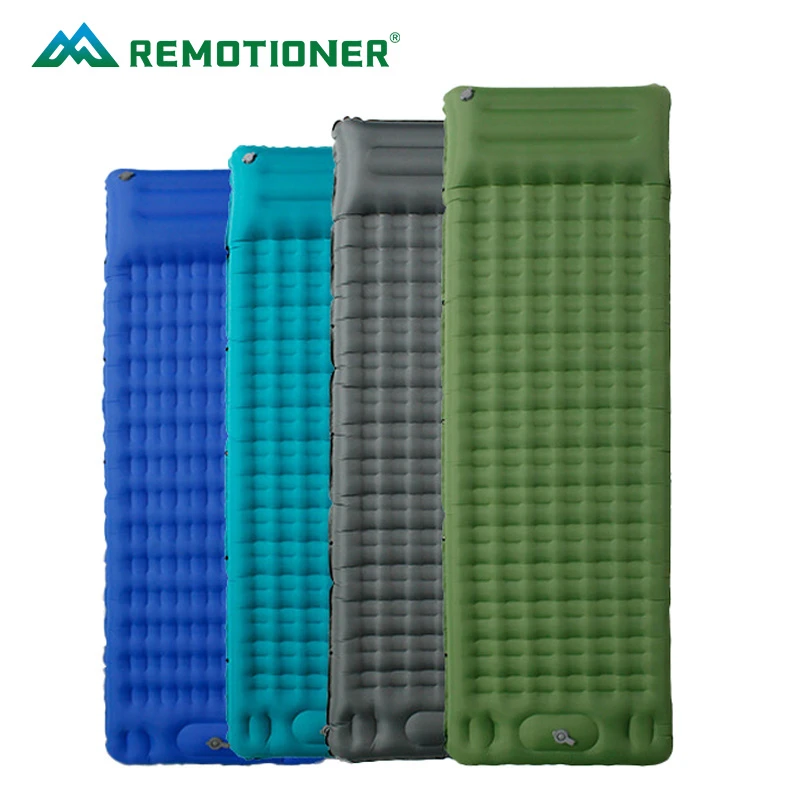
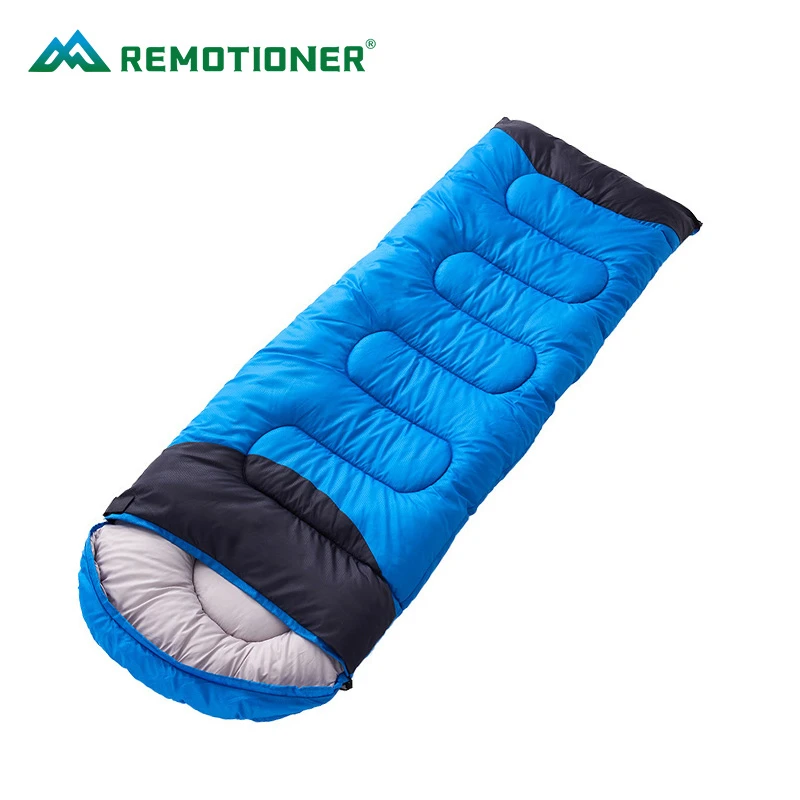
Another factor is portability. If you're a backpacker, you'll want a sleeping pad and a sleeping bag that are easy to carry. Look for ones that are lightweight and compressible. Our range of sleeping bags and pads are designed with portability in mind. Whether you're going on a short weekend camping trip or a long - term backpacking adventure, we've got you covered.
Now, let's get into the practical side of using a sleeping pad with a sleeping bag. When you set up your campsite, lay the sleeping pad on the ground first. Make sure it's on a flat and clean surface. Then, place your sleeping bag on top of the pad. Smooth out the sleeping bag to ensure there are no wrinkles or folds that could create cold spots.
If you're using a sleeping bag with a zipper, zip it up around you. You can adjust the tightness of the bag to your comfort level. The sleeping pad will provide a stable and warm base, and the sleeping bag will keep you enveloped in warmth.
During the night, you might move around in your sleep. That's normal. But make sure that the sleeping pad and the sleeping bag stay in place. If the sleeping pad shifts, it could expose parts of your body to the cold ground. You can use straps or a sleeping pad sleeve to keep the pad in place.
In conclusion, a sleeping pad and a sleeping bag are a match made in outdoor heaven. They work together to keep you warm, comfortable, and well - rested during your camping or backpacking trips. Whether you're a seasoned outdoor pro or just starting out, investing in a good quality sleeping pad and a suitable sleeping bag is a must.
If you're interested in purchasing high - quality sleeping bags and want to learn more about how they work with different sleeping pads, feel free to reach out. We're always happy to have a chat about your outdoor gear needs and help you find the perfect combination. Start the conversation about your next purchase and let's make your outdoor adventures even better!
References
- Outdoor Gear Lab: Research on sleeping bag and sleeping pad performance
- Backcountry Magazine: Articles on choosing the right outdoor sleeping equipment