

Hey there, fellow soccer enthusiasts! As a soccer ball supplier, I know how crucial it is to pick a durable soccer ball. After all, you don't want to keep shelling out money for new balls every few weeks, right? In this blog, I'm gonna share some tried - and - true ways to judge a soccer ball's durability before buying.
1. Check the Material
The first thing you gotta look at is the material of the soccer ball. Different materials have different levels of durability, and they also perform differently in various conditions.
PVC (Polyvinyl Chloride)
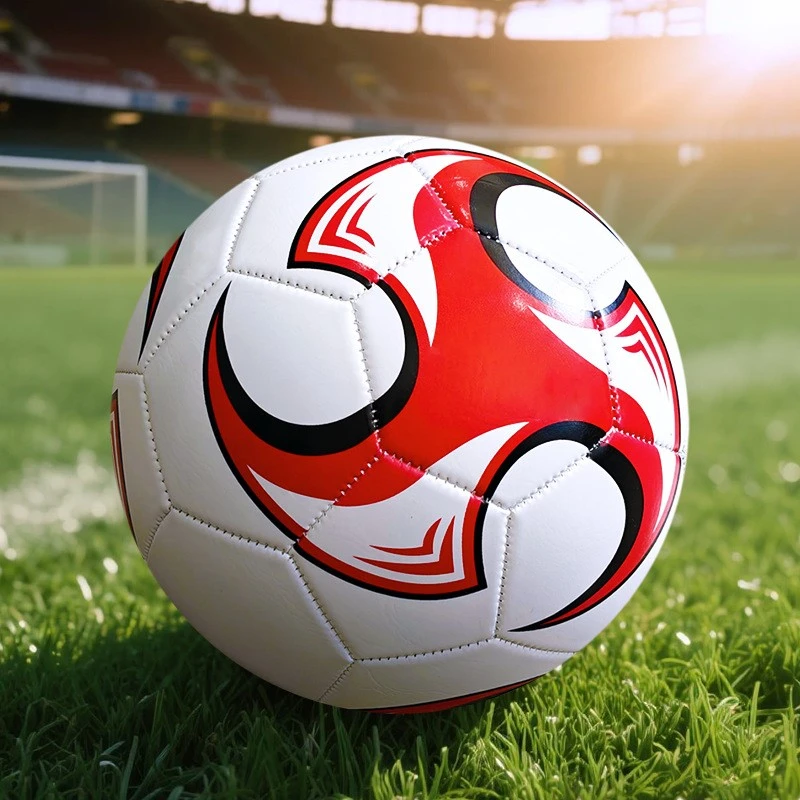
PVC is a common and affordable material used in soccer balls. It's pretty tough and can withstand a fair amount of abuse. It's a great choice for casual players or kids who are just starting out. The New Design Mirror Children PVC Youth Match Football is made of PVC, which is perfect for young players. It's durable enough to handle their energetic play, and it won't break the bank. However, PVC balls may not be as soft as other materials, and they can wear out faster if used on rough surfaces.
PU (Polyurethane)
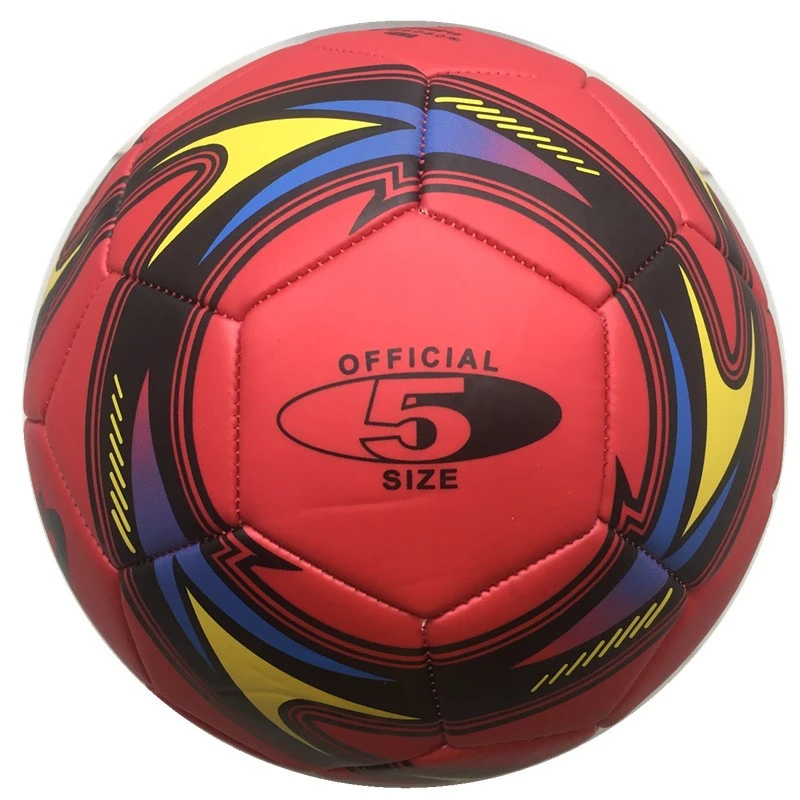
PU is a step up from PVC in terms of quality and durability. It offers a better touch and feel, and it's more resistant to wear and tear. PU balls are often used in professional and high - level matches. Our Low MOQ Custom Logo PU Football is made of high - grade PU. It can endure frequent use and the rigors of competitive play. The material also provides good water resistance, so it won't get waterlogged easily during wet games.
TPU (Thermoplastic Polyurethane)
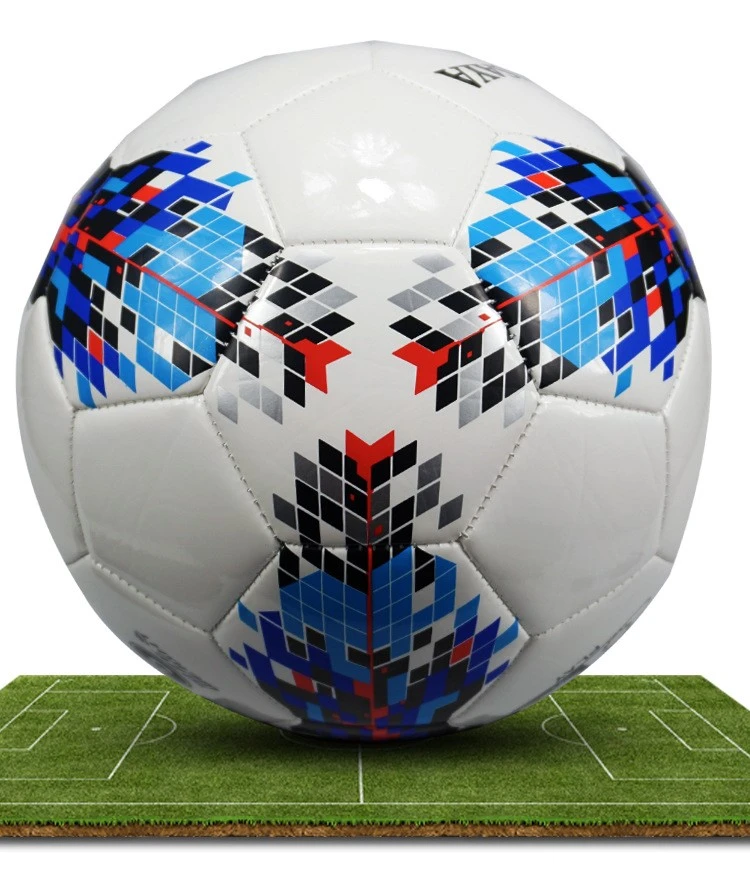
TPU is a premium material known for its excellent durability and flexibility. It combines the best of both worlds, offering a soft touch like PU and high wear - resistance. TPU balls are usually more expensive, but they're worth the investment if you're a serious soccer player. The TPU PVC PU Adult Soccer Ball Size 5 Official Match Football has a TPU outer layer, which ensures long - lasting performance even on challenging surfaces.
2. Examine the Construction
How the soccer ball is put together is just as important as the material. A well - constructed ball will last longer and perform better.
Number of Panels
Soccer balls come in different panel configurations. Traditional balls have 32 panels, which are usually stitched or glued together. This design provides good roundness and stability. However, modern balls often have fewer panels, like 12 or 8, which can offer a smoother surface and better aerodynamics. But in terms of durability, a ball with more panels may be more resilient because there are more seams to distribute the stress. Our PVC PU Official Match Football Balones has a well - designed panel structure, ensuring both performance and durability.
Stitching or Bonding
The way the panels are connected is crucial. Stitched balls are generally more durable than glued ones. Strong, tight stitching holds the panels firmly in place, preventing them from separating during play. Look for double - stitched or even triple - stitched seams for maximum durability. On the other hand, glued balls are lighter and may offer a smoother surface, but they may not be as long - lasting.
3. Evaluate the Bladder
The bladder is the inner part of the soccer ball that holds the air. A good bladder is essential for maintaining the ball's shape and performance over time.
Butyl Bladders
Butyl bladders are the most common type in high - quality soccer balls. They have excellent air retention, which means you won't have to keep inflating the ball all the time. A ball with a butyl bladder will stay inflated for weeks or even months. This is important because an under - inflated ball can affect your gameplay and may also cause more wear on the outer layer.
Latex Bladders
Latex bladders are softer and provide a better touch, but they don't hold air as well as butyl bladders. They may require more frequent inflation, but they're a good choice if you're looking for a more natural feel.
4. Consider the Intended Use
The durability you need depends on how and where you're going to use the ball.
Indoor Use
If you're playing indoors, you can get away with a ball that's a bit less durable. Indoor soccer fields are usually made of smooth surfaces, so there's less friction and wear on the ball. A PVC ball might be sufficient for indoor play, and it will also be more affordable.
Outdoor Use
Outdoor play is much tougher on soccer balls. The grass, dirt, and concrete surfaces can cause a lot of abrasion. For outdoor use, I'd recommend a PU or TPU ball. These materials can withstand the rough conditions and keep performing well. The Regulation Soccer Ball Size 5 is a great option for outdoor games, as it's built to handle the challenges of the outdoor environment.
5. Look for Certifications
Certifications are a good indicator of a soccer ball's quality and durability. Look for balls that meet the standards set by international soccer organizations like FIFA or UEFA. These balls have undergone rigorous testing to ensure they meet certain criteria for performance, roundness, and durability.
A FIFA - certified ball means it has passed tests for size, weight, bounce, and water absorption. This gives you peace of mind knowing that you're getting a high - quality product that will last.
Conclusion
So, there you have it! These are the key factors to consider when judging the durability of a soccer ball before buying. By taking a close look at the material, construction, bladder, intended use, and certifications, you can make an informed decision and choose a ball that will serve you well for a long time.
If you're in the market for a durable soccer ball, or if you're an organization looking to stock up on quality soccer balls for your teams, we're here to help. We offer a wide range of soccer balls made from different materials and in various sizes to meet your needs. Don't hesitate to contact us for procurement and further discussions. Let's get you the best soccer balls for your game!
References
- Soccer Ball Design and Technology: An Overview. Journal of Sports Equipment Studies.
- The Impact of Material on Soccer Ball Durability. International Journal of Sports Science.