

In the dynamic world of soccer, PU (Polyurethane) soccer balls have carved out a significant niche due to their durability, performance, and versatility. As a dedicated supplier of high - quality PU soccer balls, I have had the privilege of witnessing firsthand the evolution of soccer and the importance of the right strategies to excel in this beautiful game. In this blog, I'll share some of the best strategies for PU soccer, from understanding the product itself to maximizing its impact on the field.
Understanding the PU Soccer Ball
First and foremost, it's crucial to understand the unique properties of a PU soccer ball. PU is a synthetic material that offers excellent durability, making it resistant to wear and tear. This is especially important for soccer, a sport that involves a lot of kicking, passing, and sometimes rough play.
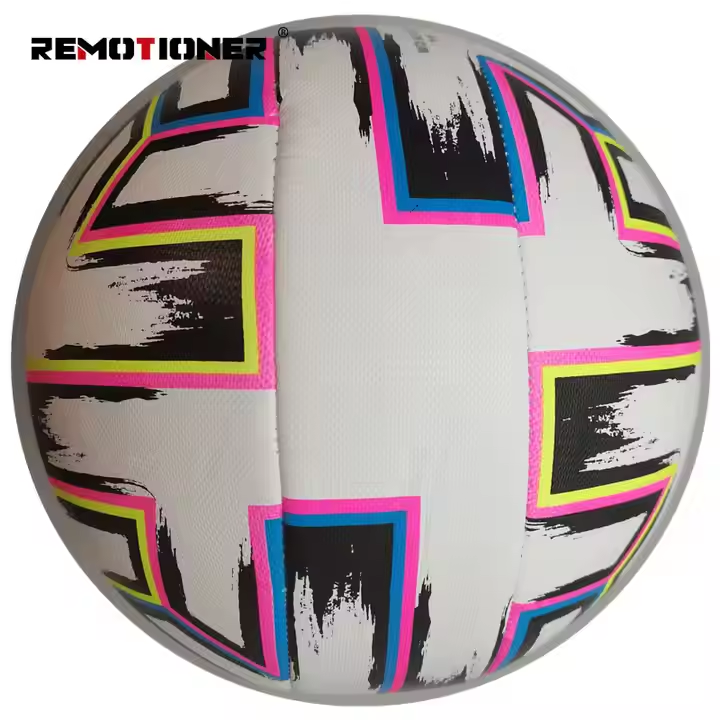
Our High Quality PU Adult Official Match Football is a prime example of the superior quality that PU can offer. The material is designed to withstand the rigors of professional matches, providing consistent performance throughout. Its surface is smooth, which enhances the ball's flight characteristics and makes it easier to control during passes, shots, and dribbles.
Choosing the Right Size
Selecting the appropriate size of the soccer ball is essential for an optimal playing experience. For most adult players, the Regulation Soccer Ball Size 5 is the standard choice. This size is used in professional and international matches and is designed to fit the physical capabilities and handling skills of adult players.
Size 5 balls offer a good balance between weight and size, allowing for powerful kicks, precise passes, and accurate shots. Younger players may start with smaller balls, such as size 3 or 4, to gradually develop their skills and adapt to the game. However, for those aiming to play at a higher level or participate in official matches, transitioning to size 5 is a must.
Training Strategies
One of the best ways to improve your skills with a PU soccer ball is through regular and targeted training. Here are some effective training strategies:
Passing and Receiving
Passing is the foundation of soccer. To improve your passing skills, practice short, accurate passes with a partner. Focus on using the inside of your foot for maximum control. Start with slow passes and gradually increase the speed as you gain confidence.
Receiving the ball is equally important. Learn to anticipate the pass and position your body correctly. Use your legs, chest, or head to control the ball smoothly. Incorporating these skills into your training routine will make you a more valuable asset on the field.
Shooting
Shooting is the ultimate goal in soccer. To become a better shooter, practice different shooting techniques, such as instep shots, side - foot shots, and volleys. Work on your power, accuracy, and timing. Set up targets and aim for specific areas of the goal.
Our High Quality PU Seamless Football is ideal for shooting practice. The seamless design ensures a more consistent bounce and better control, allowing you to focus on perfecting your technique.
Dribbling
Dribbling is the art of moving the ball past opponents while maintaining control. Practice dribbling with both feet to become more versatile. Use quick, short touches to keep the ball close to your feet and change directions suddenly to deceive your opponents.
Team Strategies
Soccer is a team sport, and effective team strategies can make a significant difference in the outcome of a game. Here are some key team strategies:
Defensive Organization
A well - organized defense is crucial for preventing the opposing team from scoring. Establish a clear defensive structure, with each player knowing their role and responsibilities. Communicate constantly on the field to coordinate your movements and close down passing lanes.
Offensive Attack
On the offensive end, create passing triangles and overlapping runs to break through the opposing team's defense. Use the width and depth of the field to stretch the defense and create scoring opportunities. Encourage players to take risks and be creative in their attacking play.
Set - Pieces
Set - pieces, such as free - kicks, corner - kicks, and penalties, are important moments in a game. Develop specific strategies for each type of set - piece. Practice them regularly to ensure that your team is well - prepared and can capitalize on these opportunities.
Maintenance and Care
To ensure the longevity and performance of your PU soccer ball, proper maintenance and care are essential. After each use, clean the ball with a damp cloth to remove dirt and debris. Store the ball in a cool, dry place to prevent the material from deteriorating.
Avoid exposing the ball to extreme temperatures or sharp objects, as these can damage the PU surface. Regularly check the inflation pressure of the ball to ensure it is within the recommended range. A properly inflated ball will provide better performance and last longer.
Conclusion
In conclusion, the best strategies for PU soccer involve a combination of understanding the product, choosing the right size, implementing effective training and team strategies, and proper maintenance. As a supplier, I am committed to providing high - quality PU soccer balls that meet the needs of players at all levels.
Whether you are a professional athlete, a recreational player, or a coach looking for the best equipment for your team, our range of PU soccer balls is designed to enhance your performance on the field. If you're interested in learning more about our products or have any questions regarding procurement, please feel free to reach out. We're here to assist you with all your soccer ball needs and look forward to the opportunity to discuss potential partnerships.

References
- FIFA. (2023). Laws of the Game.
- Soccer Coaching Manuals. Various editions focusing on training and team strategies.