

What is the breathability of a sleeping bag?
As a sleeping bag supplier, I often encounter customers who are curious about the breathability of sleeping bags. Breathability is a crucial factor that can significantly impact your comfort and overall sleeping experience during outdoor adventures. In this blog, I'll delve into what breathability means for a sleeping bag, why it matters, and how different materials affect it.
Understanding Breathability in Sleeping Bags
Breathability refers to a sleeping bag's ability to allow moisture, such as sweat and water vapor, to escape while still retaining warmth. When you sleep, your body naturally produces moisture through perspiration. If this moisture cannot escape the sleeping bag, it can lead to a damp and uncomfortable environment inside. This not only makes you feel cold and clammy but can also increase the risk of hypothermia in cold conditions.
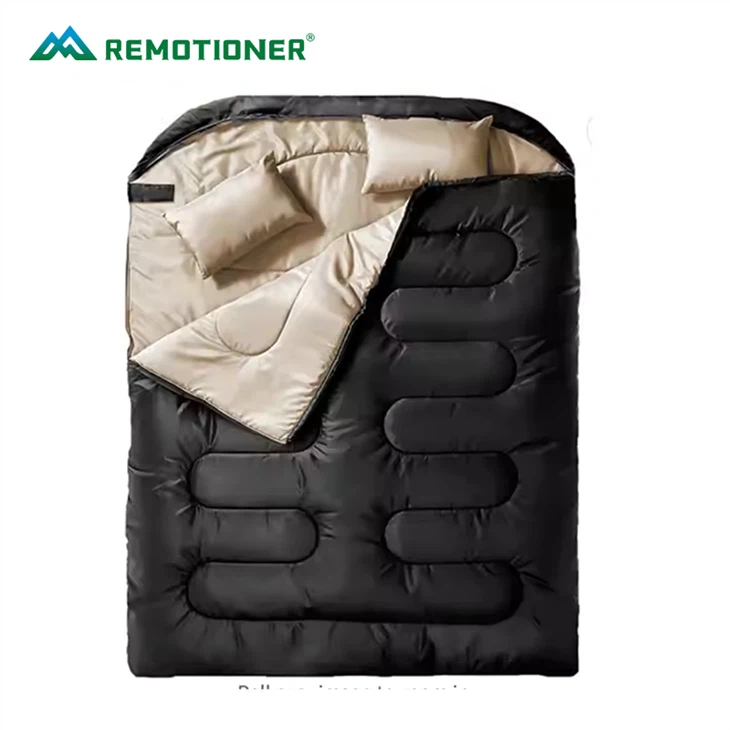

A breathable sleeping bag works like a two - way street. It lets the moisture out and at the same time prevents outside moisture (like rain or snow) from getting in. This balance is essential for maintaining a dry and warm micro - environment around your body.
Why Breathability Matters
- Comfort: A breathable sleeping bag keeps you dry and comfortable throughout the night. When your body is not constantly exposed to dampness, you're less likely to wake up feeling chilled or sticky. This is especially important for multi - day camping trips where a good night's sleep is crucial for your energy levels.
- Health: Dampness inside the sleeping bag can create a breeding ground for bacteria and fungi. These microorganisms can cause skin irritations and respiratory problems. By allowing moisture to escape, a breathable sleeping bag helps maintain a healthier sleeping environment.
- Longevity of the Sleeping Bag: Excess moisture can damage the insulation material of the sleeping bag over time. For example, down insulation can clump together when wet, reducing its loft and insulating properties. A breathable bag helps prevent this, ensuring that your sleeping bag lasts longer.
Materials and Their Impact on Breathability
- Down Sleeping Bags
Down is a popular insulation material for sleeping bags due to its excellent warmth - to - weight ratio. However, its breathability can be a bit of a double - edged sword. High - quality down has natural air pockets that allow some degree of air circulation, which aids in breathability. But down is also highly absorbent. If it gets wet, it loses its insulating ability quickly.
Lightweight Down Sleeping Bag is a great option for those looking for a lightweight and relatively breathable down sleeping bag. The outer shell of such a bag is often made of a breathable fabric that allows moisture to escape while keeping the down dry. - Synthetic Sleeping Bags
Synthetic insulation, such as polyester fibers, is known for its good breathability. Synthetic materials are less absorbent than down, so they dry faster when they get wet. They also tend to have more open - cell structures, which promote better air circulation. Synthetic sleeping bags are a great choice for wet or humid environments where breathability is of utmost importance. - Cotton Sleeping Bags
Cotton is a natural fiber that is relatively breathable. 2 Person Cotton Sleeping Bags are a popular option for those who prefer a more natural and breathable material. Cotton allows air to pass through easily, which helps in moisture wicking. However, cotton is also heavy and takes a long time to dry if it gets wet. Cotton Camping Sleeping Bag is suitable for milder climates where the risk of getting wet is low.
Measuring Breathability
There are several ways to measure the breathability of a sleeping bag. One common method is to look at the fabric's MVTR (Moisture Vapor Transmission Rate). MVTR measures how much moisture can pass through a given area of the fabric in a certain period. A higher MVTR indicates better breathability. However, this measurement doesn't tell the whole story as it doesn't account for the insulation material and the overall design of the sleeping bag.
Another way is to consider the bag's construction. Sleeping bags with well - designed baffles and ventilation systems are generally more breathable. These features allow air to circulate more freely within the bag, promoting moisture escape.
Choosing the Right Breathable Sleeping Bag
When choosing a breathable sleeping bag, you need to consider your specific needs and the environment in which you'll be using it.
- Climate: If you're camping in a cold and dry climate, a down sleeping bag with a breathable outer shell might be the best option. For wet and humid conditions, a synthetic or cotton sleeping bag would be more suitable.
- Activity Level: If you're an active camper who tends to sweat a lot during sleep, you'll need a highly breathable sleeping bag. Synthetic or cotton materials are better choices in this case.
- Budget: Down sleeping bags are usually more expensive than synthetic or cotton ones. You need to balance your budget with your requirements for breathability and other features.
Conclusion
Breathability is an essential characteristic of a good sleeping bag. It affects your comfort, health, and the longevity of the bag. As a sleeping bag supplier, I understand the importance of providing customers with products that meet their specific needs. Whether you're looking for a lightweight down sleeping bag for a high - altitude trek or a cotton sleeping bag for a family camping trip, we have a wide range of options to choose from.
If you're interested in purchasing a breathable sleeping bag or have any questions about our products, feel free to contact us for a procurement discussion. We're here to help you find the perfect sleeping bag for your outdoor adventures.
References
- "The Science of Sleeping Bags" by Outdoor Research
- "Camping Gear Guide" by National Geographic
- "Insulation Materials and Their Properties" by REI Co - op