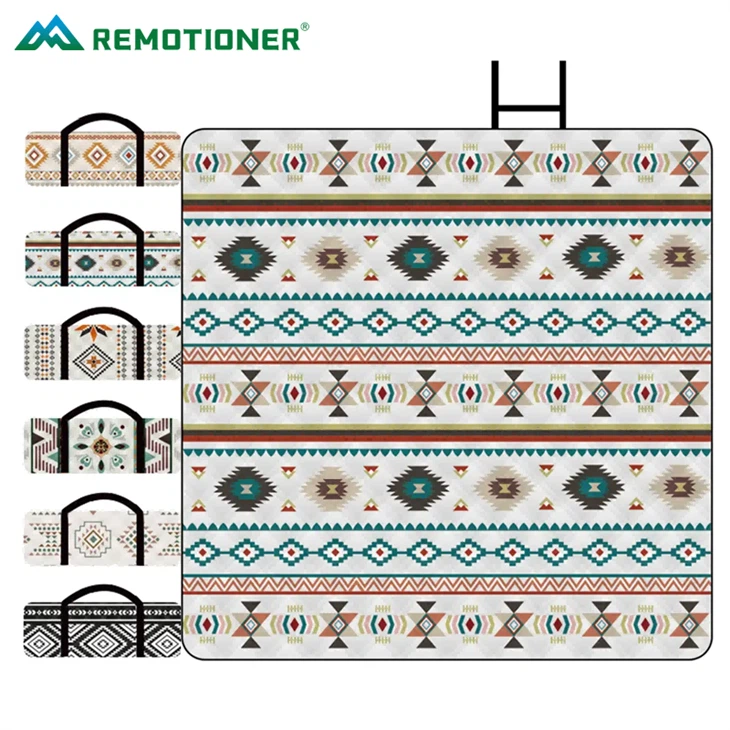
Selecting the perfect picnic mat is a crucial step in planning any outdoor excursion. The material is arguably the most important factor, as it directly dictates the mat's comfort, durability, functionality, and suitability for different environments. Understanding the pros and cons of each material type will guide you to the ideal choice for your needs.
1. The Lightweight Contender: EVA
Ethylene-Vinyl Acetate (EVA) mats are prized for their exceptional portability. They are incredibly lightweight, soft to the touch, and offer excellent waterproofing, making them ideal for damp grass. Cleaning is a breeze-most spills can be wiped away with a damp cloth. However, this convenience comes with trade-offs. EVA is not particularly耐磨 (naimó, wear-resistant); it can be prone to punctures from sharp twigs or rocks. Furthermore, prolonged exposure to sunlight can cause it to degrade and become brittle over time. Best for: Short, casual picnics in urban parks or spontaneous outings where minimal weight is key.
2. The Practical Workhorse: PVC
Polyvinyl Chloride (PVC) mats are a robust and popular choice. They share the excellent waterproof qualities of EVA but generally offer superior durability and resistance to wear and tear. They are also very affordable, representing great value for money, especially for family use. The primary drawback lies in quality variation. Lower-quality PVC products can emit a strong plastic odor, especially when new or left in the sun. It's essential to choose products from reputable brands. Best for: Frequent family picnics, beach days, and general-purpose use where a balance of cost and durability is desired.
3. The Budget-Friendly Option: PE
Polyethylene (PE) mats are the most economical option available. They are lightweight and waterproof, providing a basic protective layer from the ground. The low cost makes them attractive for infrequent use or situations where the mat might be at high risk of loss or damage. The significant downside is poor durability; PE mats tear easily under stress and are not designed for long-term use. Best for: One-off events, festival use, or as an extra mat for children, where budget is the primary concern.
4. The Durable Performer: Oxford Fabric
Oxford cloth, typically made from polyester, is a heavyweight contender in the picnic mat world. It boasts outstanding耐磨 (naimó, wear-resistance) and is often coated with a polyurethane (PU) or other treatment for very good water resistance. It feels softer and more fabric-like than plastic-based options, enhancing comfort, and is built to last for many seasons. The main disadvantages are a higher price point and a tendency for the fabric surface to attract dirt and stains more readily than smooth materials. Best for: Regular campers, hikers, and those who prioritize long-term value and comfort over pure portability.
5. The Cosy Specialist: Wool Felt
For pure tactile comfort and insulation, wool felt is unmatched. It provides a soft, warm, and luxurious surface that is perfect for cooler weather outings in autumn or even early spring. It feels wonderful to sit on. However, it lacks any inherent waterproofing, meaning it will soak through quickly on damp ground. It is also typically the most expensive option and requires careful, often professional, cleaning. Best for: Dry, cool-weather picnics where maximum warmth and comfort are the top priorities.
6. The Breathable Classic: Cotton
Cotton mats offer excellent breathability and a natural, skin-friendly feel. They are comfortable for lounging on warm, dry days in spring and autumn. The classic checkered pattern is a timeless picnic aesthetic. The drawbacks are significant: no waterproofing, susceptibility to stains, and a need for frequent washing, which can be cumbersome. They are best used on completely dry ground. Best for: Short picnics on perfectly dry days in easily accessible locations, prioritizing style and natural feel.
By carefully considering these material properties, you can ensure your picnic mat is not just a ground cover, but a true enhancer of your outdoor experience.